Microneedling at Home: Safety Tips and What to Expect
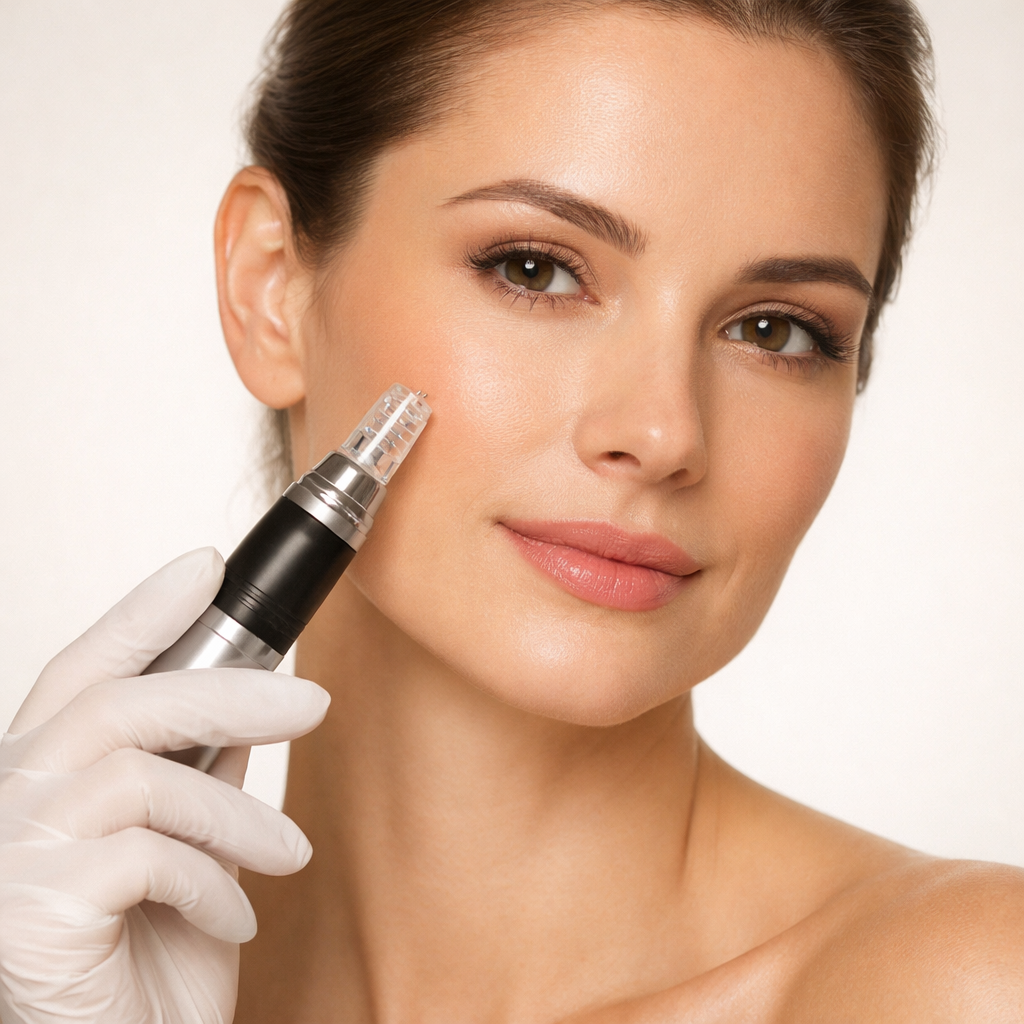
Microneedling has become a popular at-home cosmetic treatment, but safety should always come first. Here's what you need to know before starting.
Understanding Microneedling
Microneedling involves creating tiny, controlled punctures in the skin using fine needles. At-home devices typically use shorter needle lengths (0.25mm-0.5mm) compared to professional treatments.
Critical Disclaimer: These devices are for cosmetic use only. They are not medical devices and should not be used to treat medical conditions.
Pre-Treatment Safety Checklist
Before You Begin
-
Sanitize Everything
- Clean your device with 70% isopropyl alcohol
- Wash your hands thoroughly
- Clean your face with a gentle cleanser
-
Check Your Skin
- No active breakouts in treatment area
- No open wounds or cuts
- No signs of infection or irritation
- Skin is not sunburned
-
Know Your Contraindications Do NOT use microneedling devices if you:
- Have active acne or rosacea
- Are taking blood-thinning medications
- Have a compromised immune system
- Have active skin infections
- Are pregnant or nursing
- Have a history of keloid scarring
Proper Technique
Needle Depth Guidelines
- 0.25mm: Safe for daily use, minimal downtime
- 0.5mm: Use 1-2 times per week, requires more care
- 0.75mm+: Professional use only—do not attempt at home
Application Method
- Start with clean, dry skin
- Use gentle pressure - Let the needles do the work
- Move in patterns:
- Horizontal lines
- Vertical lines
- Diagonal lines (optional)
- Avoid over-treating - 2-3 passes per area is sufficient
- Never drag or press hard - This can cause damage
What to Expect: The First Time
During Treatment
- Mild discomfort (like light sandpaper)
- Slight redness immediately after
- Possible minor pinpoint bleeding (normal with 0.5mm+)
After Treatment
Immediate (0-24 hours):
- Redness (like a mild sunburn)
- Slight swelling
- Skin may feel tight or sensitive
- Small pinpoint marks (should fade within hours)
Day 2-3:
- Redness should decrease significantly
- Skin may feel slightly dry
- Continue gentle skincare only
Day 4-7:
- Skin should return to normal appearance
- You may notice improved texture
- Continue with gentle routine
Aftercare Essentials
First 24 Hours
- No makeup - Let your skin breathe
- No active ingredients - Avoid retinoids, acids, vitamin C
- Gentle cleansing only - Use lukewarm water and mild cleanser
- Moisturize - Use a gentle, fragrance-free moisturizer
- Sunscreen is mandatory - SPF 30+ if going outside
Days 2-7
- Continue gentle skincare
- Gradually reintroduce products (one at a time)
- Maintain sunscreen use
- Avoid exfoliation
- No additional device treatments
Common Mistakes to Avoid
- Using too deep needles - Stick to 0.25-0.5mm for home use
- Over-treating - More is not better
- Skipping sanitization - This can lead to infection
- Using on active breakouts - Wait until skin is clear
- Not using sunscreen - Your skin is more sensitive post-treatment
- Sharing devices - Never share microneedling tools
Sanitization Protocol
Before Each Use
- Remove any visible debris
- Soak in 70% isopropyl alcohol for 10 minutes
- Allow to air dry completely
- Store in a clean, dry container
After Each Use
- Rinse with warm water immediately
- Clean with gentle soap
- Soak in 70% isopropyl alcohol for 10 minutes
- Air dry completely before storing
When to Stop and Seek Help
Stop immediately and consult a healthcare professional if you experience:
- Excessive redness lasting more than 48 hours
- Signs of infection (pus, warmth, severe pain)
- Unusual swelling
- Persistent bleeding
- Skin that feels hot to the touch
- Any concerning symptoms
Realistic Expectations
What Microneedling Can Do (Cosmetic Use)
- Support skin texture improvement
- May help with appearance of fine lines
- Can support product absorption
- May improve skin's overall appearance
What It Cannot Do
- Treat medical skin conditions
- Replace professional treatments
- Provide instant results
- Work without proper technique and aftercare
Frequency Guidelines
- 0.25mm: Can be used 2-3 times per week
- 0.5mm: Use once per week maximum
- Always allow skin to fully recover between treatments
- Less is often more—over-treating can damage your skin barrier
The Bottom Line
At-home microneedling can be a valuable addition to your cosmetic skincare routine when done safely and correctly. The key is:
- Start conservatively
- Prioritize safety and sanitization
- Follow proper technique
- Give your skin time to recover
- Know when to seek professional help
Remember: These devices are for cosmetic use only. When in doubt, consult with a dermatologist or skincare professional. Your skin's health is more important than any treatment.